Hong Kong Itinerary: What to Do in 4 (or More) Days
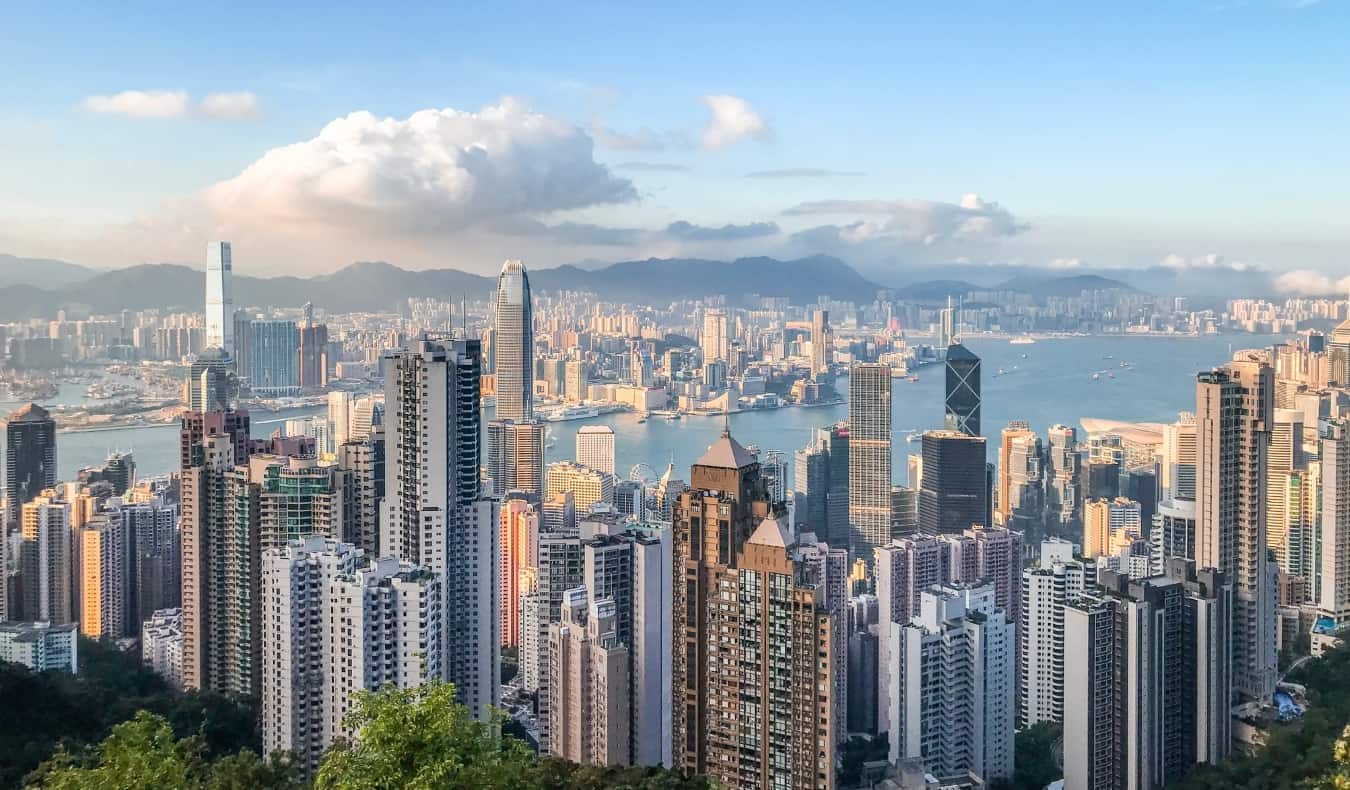
Hong Kong. Its name inspires visions of a chaotic, jam-packed city with soaring skyscrapers, narrow alleys, endless noodle stands, big finance, and wild nights out.
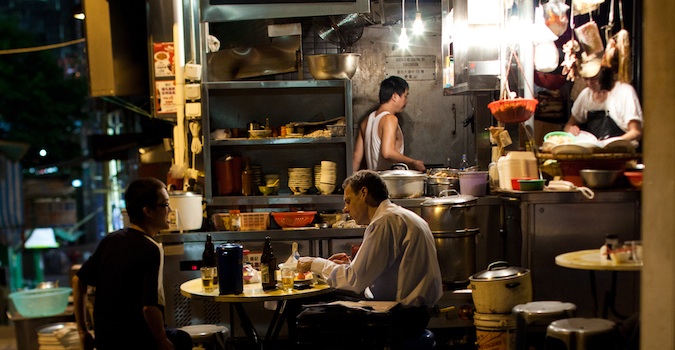
It’s one of my favorite cities in the world. The fast pace creates a sense of permanent change, and the crowds, multiculturalism, and food keep me continuously coming back. Oh, the food! I could sit bent over a bowl of noodles in a tiny food market all day long.
Hong Kong is a busy city of 7.5 million inhabitants. It can be overwhelming for many visitors, especially those not used to crowded places. While you can visit the city within one or two days, it’s best to spend at least three days in Hong Kong. (If you’re going to visit Macau or do some hiking, I’d say you’d need 4–5 days to really see the city.)
This four-day Hong Kong itinerary will help you organize your trip, steer you off the beaten path, and show you why Hong Kong is one of the most on-the-go cities in the world.
Table of Contents
Hong Kong Itinerary: Day 1
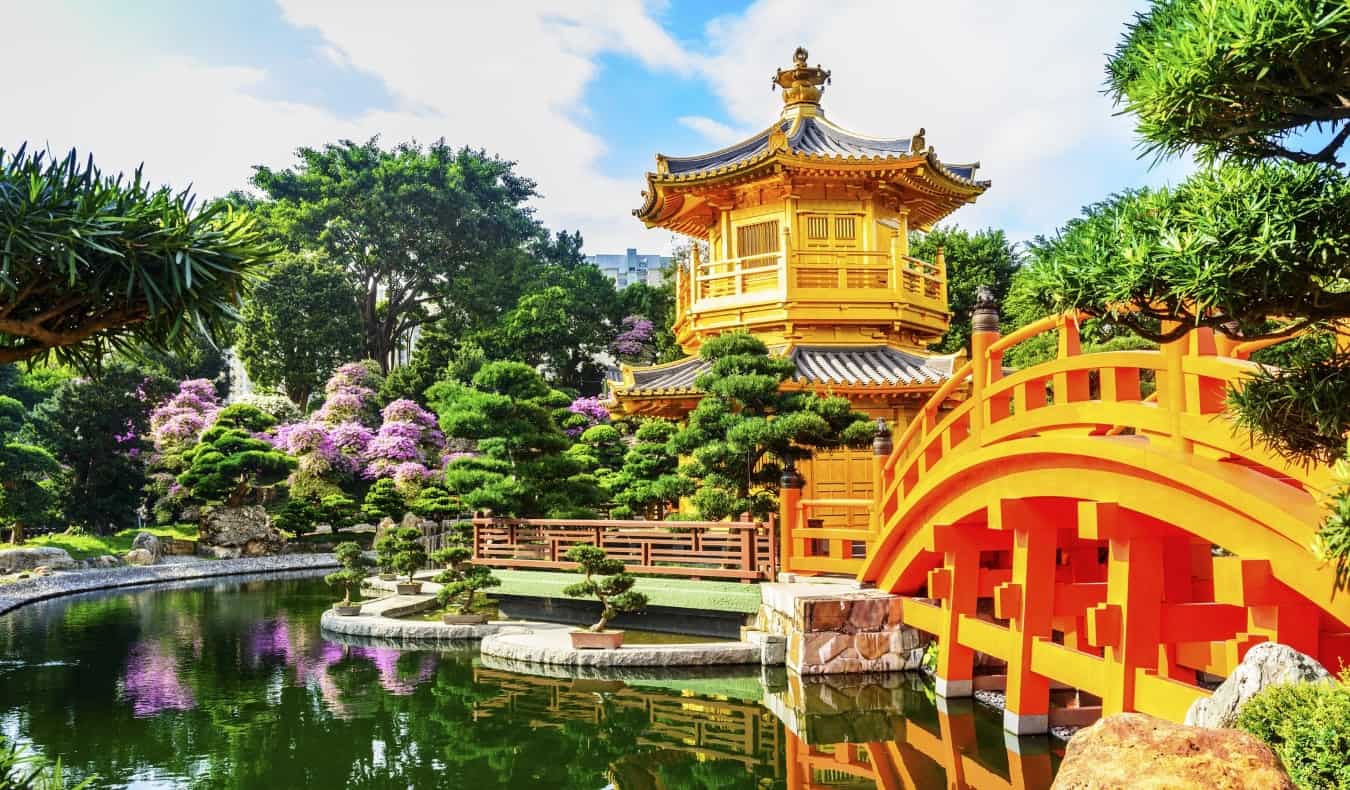
Take a Walking Tour
The first thing I do whenever I visit a destination is take a walking tour. It’s the best way to see the highlights, get the lay of the land, and connect with a local guide who can share their insider tips and suggestions. Hong Kong Free Tours offers a couple of different tours that are great for first timers. Just remember to tip your guide at the end!
The Hong Kong Museum of History
After the Chinese government took control of Hong Kong during COVID, this museum was closed and renovated to express the opinions of the government and their new security law. The new exhibits talk heavily about China bringing “order” to the city and about their “innovative” new security measures. Beyond that, there’s a huge section on how China is paving the way of the future and how citizens can do their part. It’s pretty blatant propaganda.
After that, you get into some interesting stuff about Hong Kong’s history, culture of the city post war, fashion, and then there’s a big exhibit on Chinese immigrants in the United States (which is very accurate). They gloss over a lot of the detailed growth of the city but I still think it’s a museum worth visiting.
Kowloon Park
Next, head to Kowloon Island’s gigantic park. Kowloon is the most densely-populated area of the city but this oasis features a swimming pool, a fitness center, little ponds where you can watch ducks and other swimming birds, a Chinese garden, an aviary, and the Hong Kong Heritage Discovery Centre (not to be confused with the Hong Kong Heritage Museum; more on that museum below). There are also plenty of rest areas here where you can relax to escape the oppressive Hong Kong heat. Spanning 13 hectares (33 acres), it’s one of the best places to people-watch in the city. If you come in the morning, you’ll see large groups of people exercising in the park.
Street Markets in Mong Kok
This area of Hong Kong has the largest and busiest markets in which to soak up the frenetic atmosphere, sights, and sounds of Hong Kong. The crowds and sellers really exemplify Hong Kong’s on-the-move essence. The two best markets for inexpensive souvenirs are the Ladies Market (bargain clothing, accessories, and souvenirs) and the Temple Street Night Market (flea market). The markets of Mong Kok are best reached by the Hong Kong MTR subway system, stations Yau Ma Tei, Mong Kok, and Prince Edward on the Tsuen Wan (red) line.
The Star Ferry
The Star Ferry is the main ferry that serves Hong Kong, having opened over 130 years ago. These days, it moves over 700,000 people per day, and while you’ll likely need to ride the Star Ferry just to get around, it also makes for a fun activity in and of itself. You’ll be able to see the city and its towering skyline from a new perspective — all for just a couple of dollars. It’s one of my favorite activities (and it’s cheap too!). I especially love it at night when the skyline sparkles.
Hong Kong Itinerary: Day 2
Ngong Ping 360
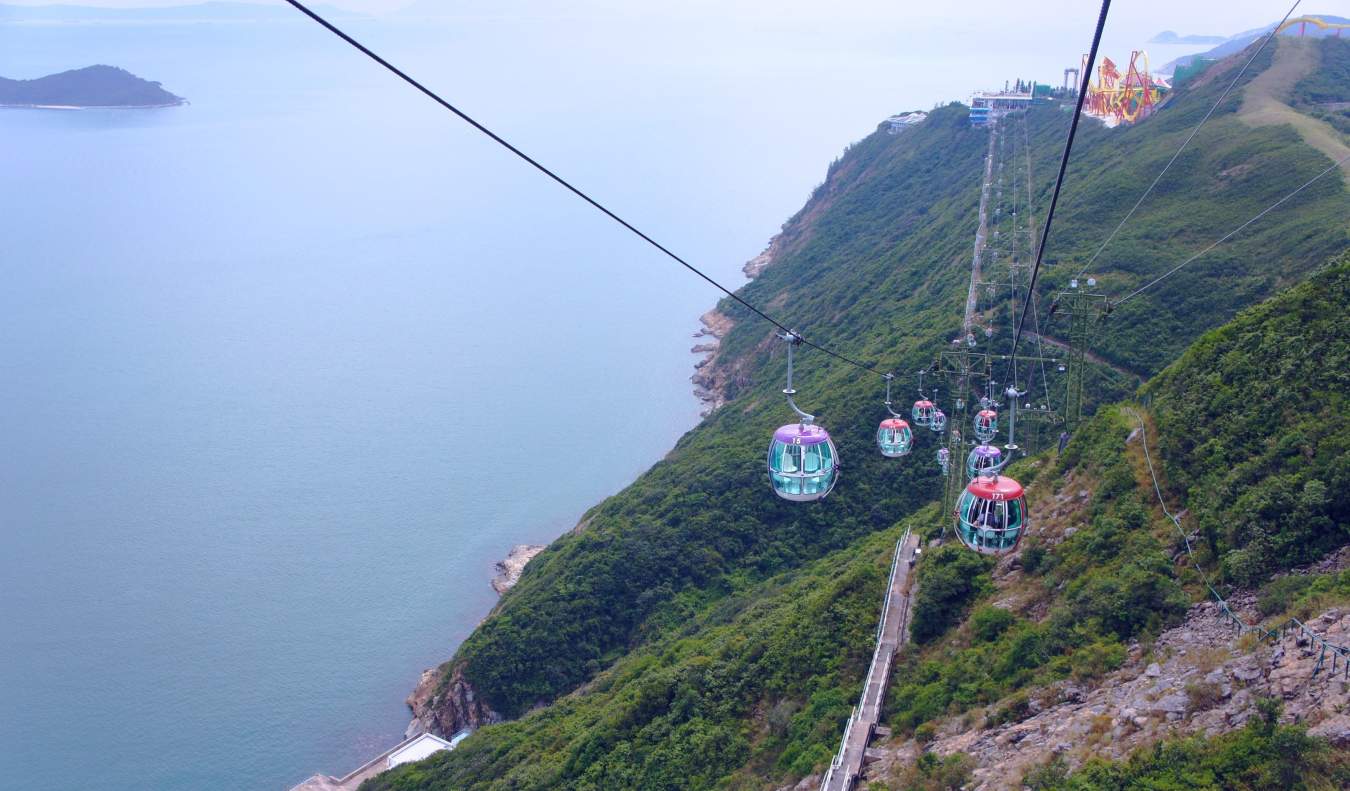
This cable car stretches over 5.7 kilometers (3.5 miles) from Tung Chung across the bay toward the airport and then onward to Lantau Island. The cable car gives you a panoramic view of the airport, harbor, and entire city before it travels through the surrounding mountains. The ride lasts about 25 minutes.
You’ll arrive at Ngong Ping Village, which is super touristy (there are lots of tacky souvenir shops and carnivalesque performances) but still fun. Don’t miss the nearby Po Lin Monastery (a Buddhist monastery founded in 1906) and Tian Tan, a 34-meter bronze Buddha statue that sits on the top of the island’s peak. You can reserve tickets online in advance here.
Tsim Sha Tsui Promenade
Stroll along Kowloon’s Tsim Sha Tsui waterfront and take in the breathtaking skyline view of Hong Kong Island. While you’re here, make sure to visit the Avenue of Stars, Hong Kong’s answer to the Hollywood “Walk of Fame,” where you can see the stars of Chinese and Western cinema alike. There are shops, a statue of Bruce Lee (he was raised in British Hong Kong), lots of restaurants, and, at night, a large outdoor market serving traditional Cantonese food alongside knockoffs and souvenirs. You can also pick up a few booze cruises from here too.
Hong Kong Museum of Art
This museum on the Tsim Sha Tsui waterfront is a fascinating and intriguing place. Established in 1962, it was the first public art museum in the city. There are both rotating temporary exhibitions as well as a permanent collection where you’ll find everything from Chinese ceramics, terra cotta, rhinoceros horns, traditional calligraphy, and Chinese paintings, to contemporary art produced by Hong Kong artists. There are over 17,000 items in the collection so there is a lot to see!
Visit the Space Museum
This museum is located on the Tsim Sha Tsui Promenade so you might as well visit while you’re here. Opened in 1980, it’s located inside a huge egg-shaped building (it’s a really odd-looking building). But, while the building is peculiar, the museum itself is both fun and insightful (and a good choice if you’re traveling with kids as it’s very interactive). It’s home to astronomy exhibits, a digital planetarium, interactive shows in their Omnimax theatre, and lots of hands-on exhibitions. It’s definitely one of the most interesting museums in the city.
Rent a Junk Boat
Junk boats — those classic boats with the large sail you see in any movie about Hong Kong — are a fun way to sail around the harbor on full-day and half-day trips. There is only one traditional junk boat left: the Duk Ling. It was built in the 1950s and was originally used as a fishing boat. In the 1980s, it was refurbished and turned into the classic touring junk that it is today. You can get your tickets here.
Another option is sailing on The Aqua Luna, a boat that was built in the traditional style in 2006. It sails frequently and offers a variety of cruises, from a dim sum cruise to an afternoon tea cruise.
In addition to these traditional-style junks or if you’re looking for more of a party boat vibe, you can also rent a boat with a large group of friends (15 or so people) or join a group cruise around the harbor. There are a ton of different options to choose from, from all-you-can-eat-and-drink boats with add-on water sports, massages, and DJ packages, to companies that let you just rent the boat and bring everything else yourself. Two companies worth checking out are Saffron Cruises and Hong Kong Junks.
Hong Kong Itinerary: Day 3
Ping Shan Heritage Trail
Located in the New Territories (the city’s less visited northern district), this trail will lead you past some of the most important ancient sights of the Tang clan. There are 14 historic buildings on the trail, including: Hung Shing Temple, The Tang Ancestral Hall, Yeung Hau Temple, Shrine of the Earth God, and the 15th-century Tsui Sing Lau Pagoda (Hong Kong’s only ancient pagoda). Just be aware that not all of the historic buildings on the trail are open to the public.
Another option is the Lung Yeuk Tau Heritage Trail. It begins at the Taoist temple complex of Fung Ying Seen Koon and passes the walled villages of Ma Wat Wai and Lo Wai before ending at the 18th-century Tang Chung Ling Ancestral Hall.
This part of Hong Kong is often skipped by tourists, and the trails, meandering through the city’s more rural region, are quiet and a welcome break from the giant metropolis of the downtown area. Just make sure to bring water and dress for the weather.
Hong Kong Heritage Museum
Opened in 2000, this museum showcases the city’s history and love of art. There’s a large exhibit about the New Territories and an opera house for performances. It fills in some of the blanks left from the Hong Kong History Museum and gives you a look at the artistic culture of the city. It’s also located near the beautiful Sha Tin Park and Shing Mun River, making the surrounding area just as interesting as the museum!
Che Kung Temple
Just across the river from the Heritage Museum, this temple is dedicated to Che Kung, a general during the Southern Song Dynasty (1127–1279) in ancient China who was known for stopping both uprisings and epidemics. This temple was built in his name during an epidemic in the 17th-century, and it is said that the epidemic ceased the day after its official dedication.
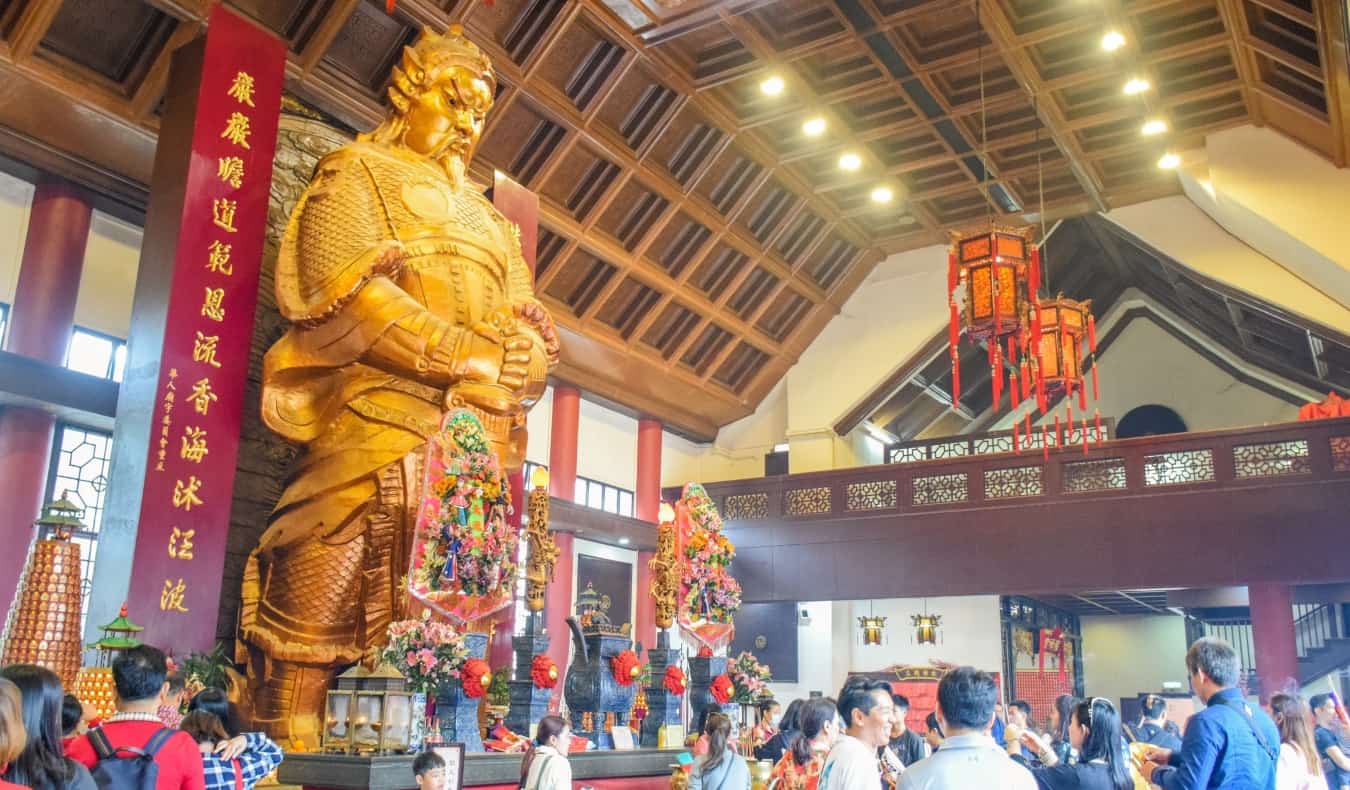
The temple complex is always filled with people, so be prepared for crowds (thousands of people visit during the lunar new year). The traditional architecture and intricate sculptures, including the large golden sculpture of Che Kung himself, make this worth visiting after you see the Heritage Museum.
Take a Food Tour
After the morning on the cable car and enjoying a killer view of Hong Kong, spend your afternoon taking a food tour. Hong Kong is a food-filled city (there are over 15,000 restaurants here!) and you’ll find a diverse range of cuisines from around the world. But without help, you’ll never find all the hidden local favorites. The following companies offer the best value on their tours:
Hong Kong Itinerary: Day 4
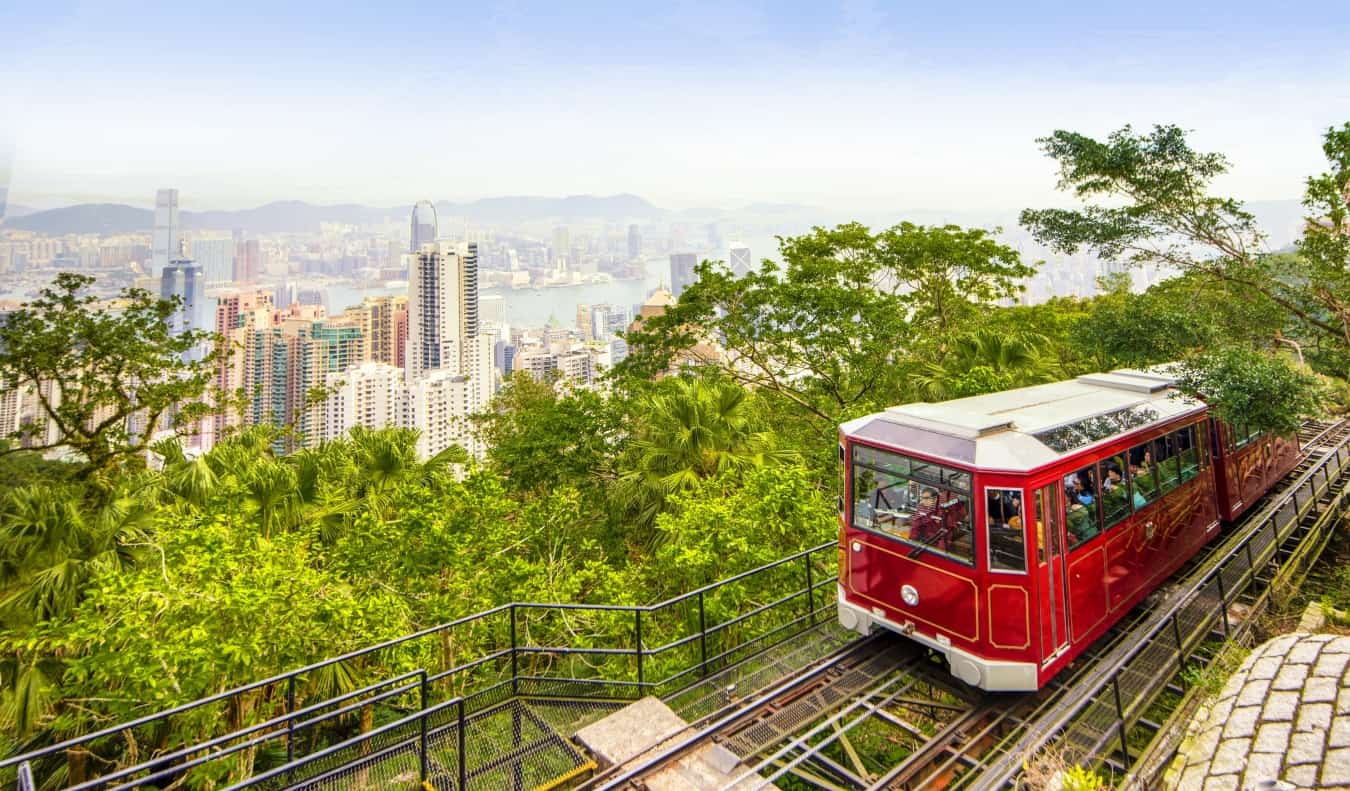
The Peak Tram
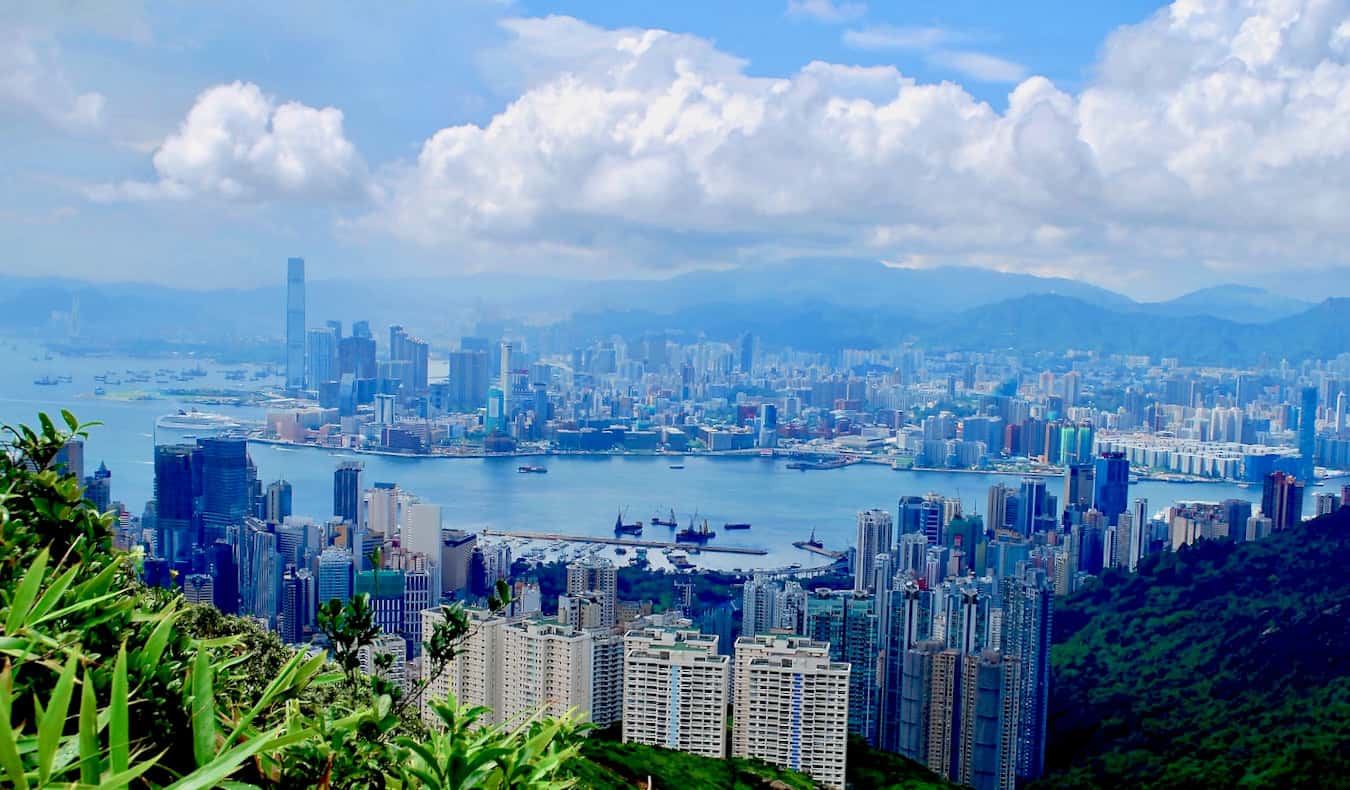
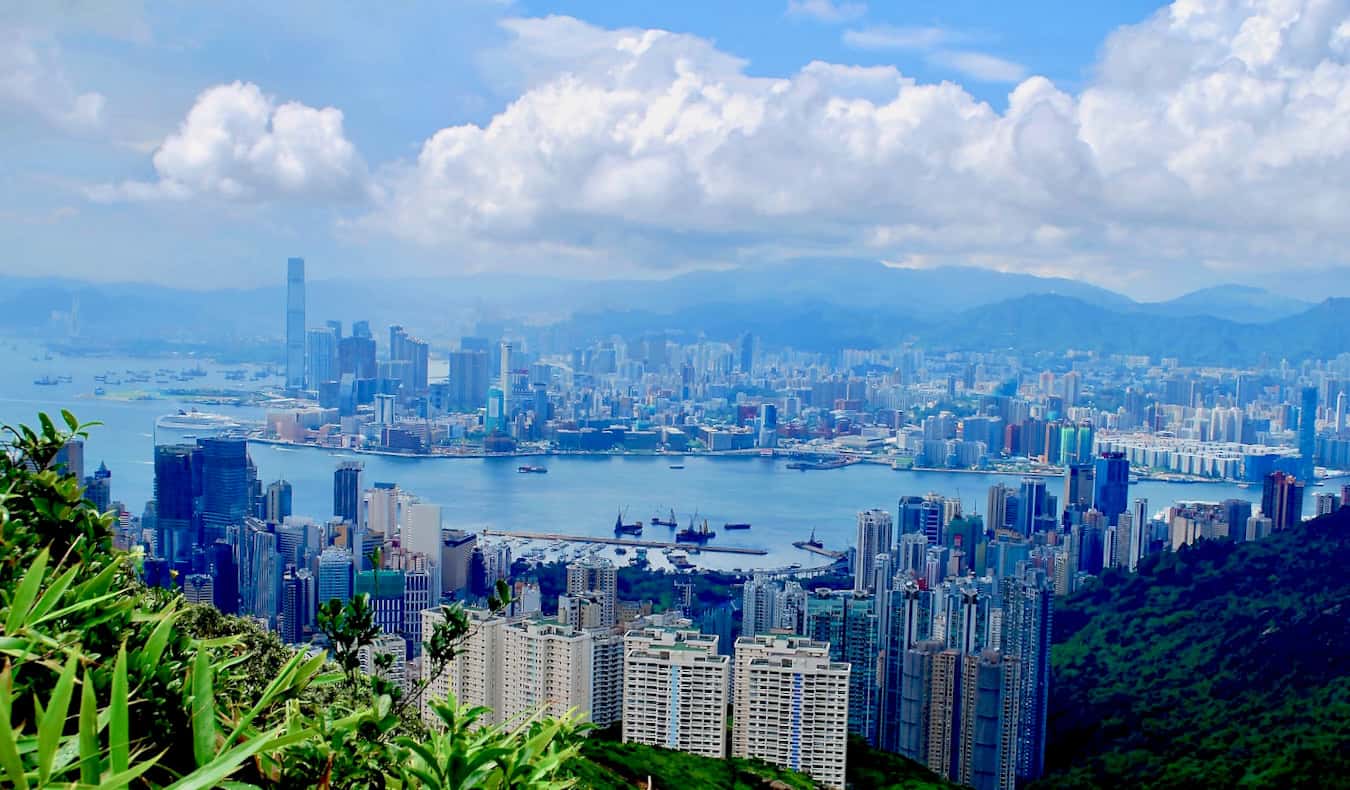
Start your day taking in the view. This tram, which has been in operation since 1888 (with several renovations since then), takes you to the top of the Peak, Hong Kong Island’s largest mountain, at 518 meters (1,700 feet). Upon exiting at the top, you’ll enjoy spectacular 180-degree views of the skyscrapers of Victoria Harbor, Kowloon, and the surrounding hills. It’s the best view of the city.
Also at the top is the huge, wok-shaped Peak Tower with its viewing platform Sky Terrace 428, Madame Tussauds, and a variety of restaurants. Head away from this area and you’ll find many different trails to get into nature and see the city skyline from a bunch of different vantage points. When you’re done at the top, you can either take the tram or walk back down along the trails.
Go Hiking
Hong Kong may be a densely packed city, but there is also scenic hiking in the outer mountains and islands. There are a lot of trails (especially in the undeveloped parts of the New Territories). The Hong Kong tourism board lists all the trails here. Some of the most popular hikes are the Lamma Island Loop, Violet Hill, and Lion Rock. Just make sure you bring lots of water and wear a hat as it can get warm!
Lan Kwai Fong Nightlife
LKF is the main nightlife and party area in Hong Kong and is filled with tons of bars, clubs, shisha (water pipes), and cheap drinks. Nights out here are wild — the street is always crowded, people get very drunk, and shots get handed out like candy. It’s rowdy, but if you want to see Hong Kong’s wilder side, this is the place to do it. Some of my favorite places in and around this area are The Savory Project, Artifact, and Bar Leone.
Hong Kong Itinerary: Day 5
If you have more time in the city, I suggest taking a day trip. Depending on what you’re interested in, there are two main options to consider: Disneyland and Macau.
Visit Disneyland
If you’re on a family trip, or if you’re a backpacker in touch with your inner child, head to Disneyland. Opened in 2005, the park has dozens of attractions, including favorites like the spinning teacups and Jungle Cruise. Located on Lantau Island, you can reach the park in just 20 minutes by car. It’s super easy to get to (you can take public transportation there as well in around 45 minutes). You can get your tickets here.
Day trip to Macau
Macau is considered the “Las Vegas of Asia” and is a huge gambling mecca. It’s just 50–75 minutes away from Hong Kong by boat and makes for a fun day trip. The city, which is a Special Administrative Region in China (similar to Hong Kong), was originally a Portuguese colony and trading post. From 1557-1887 it was governed by Portugal and was a vital trading port.
Today, the city is full of modern casinos and offers an interesting mix of Chinese and Portuguese culture. Even if you’re not a big gambler, it’s still a unique place to visit and explore for a day. While you can easily plan your own day trip, if you don’t want the hassle there are also lots of guided day trips to Macau that arrange everything for you.
For more, here are my recommendations for the best things to do in Hong Kong.
Where to Stay in Hong Kong
Hong Kong is a massive, dense city. Naturally, it has a lot of accommodation options. There is something for every budget here so, to help you get started, here are a few suggestions:
- The Mahjong – This boutique hostel is close to both the mountains and coast. The deluxe beds are comfy, cozy, and spacious, and the dorm beds are pod-style so you can have a good night’s rest.
- The Emperor Hotel – This affordable four-star hotel boasts a stylish interior, has a fitness center on-site, and is in a great location so you can easily explore the city without wasting time in transit.
- The Luxe Manor – This hotel offers spacious, airy rooms within walking distance to the night markets and the promenade. There’s a bar on-site that hosts regular live music too!
If you want more hostel suggestions, here is a list of my favorites in the city.
In a city of almost 8 million people, there are countless things to see and do. One could fill weeks exploring Hong Kong’s many islands, markets, restaurants, sights, and nightlife and still not see it all. Though impossible to condense a city so vast into four days, this Hong Kong itinerary will help you experience the most Hong Kong has to offer in a short period of time!
Book Your Trip to Hong Kong: Logistical Tips and Tricks
Book Your Flight
Use Skyscanner to find a cheap flight. It’s my favorite search engine because it searches websites and airlines around the globe so you always know no stone is left unturned.
Book Your Accommodation
You can book your hostel with Hostelworld as they have the biggest inventory and best deals. If you want to stay somewhere other than a hostel, use Booking.com as they consistently return the cheapest rates for guesthouses and cheap hotels.
For specific places to stay in Hong Kong, this list has my favorite hostels in Hong Kong.
Don’t Forget Travel Insurance
Travel insurance will protect you against illness, injury, theft, and cancellations. It’s comprehensive protection in case anything goes wrong. I never go on a trip without it as I’ve had to use it many times in the past. My favorite companies that offer the best service and value are:
- Safety Wing (best for everyone)
- Insure My Trip (for those over 70)
- Medjet (for additional evacuation coverage)
Looking for the Best Companies to Save Money With?
Check out my resource page for the best companies to use when you travel. I list all the ones I use to save money when I’m on the road. They will save you money when you travel too.
Want More Information on Hong Kong?
Be sure to visit my robust destination guide on Hong Kong for even more planning tips!