China Travel Guide
I love traveling in China. It has thriving metropolises like Beijing, Shanghai, and Hong Kong, dozens of micro-cultures, languages, cuisines, and ethnicities, and beautiful mountains, valleys, rivers, and plains. It’s a stunning country with a long, long history.
While I dislike the pollution of many of the big cities (though in recent years they have done a lot to reduce the pollution), the countryside, food, people, and history you’ll discover here will leave you in awe and forever changed. I have loved all my visits to this dynamic and complex place. It fascinates me as much now as it did on my first visit.
This travel guide to China can help you plan your visit with advice that will help you see more for less.
Click Here for City Guides
Top 5 Things to See and Do in China
1. Visit Hong Kong
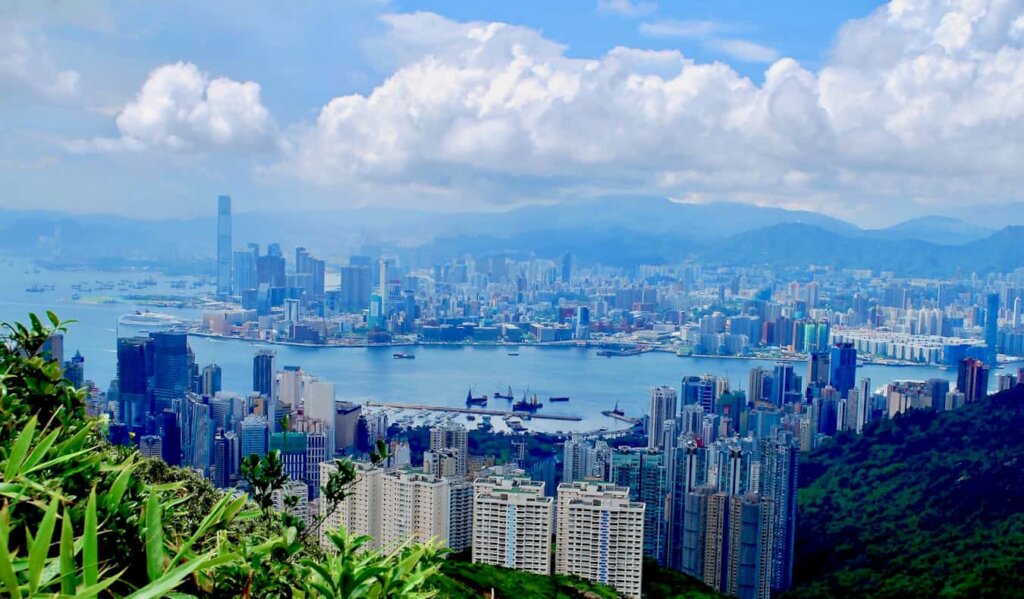
Hong Kong is a bustling metropolis that combines high-rise buildings with traditional street markets and temples. You have a large expat population, world-class shopping, fantastic nightlife, and one of the best food scenes in the world. While everyone thinks of the city as dense highrises, there are also tons of beautiful wilderness, hiking, and beaches to enjoy too. I hate to use the cliche of this being the place where “east mets west” but, in many ways, the cliche holds up really well!
2. Explore Shanghai
One of China’s largest, busiest, and most visited cities, Shanghai is like visiting the future — fast trains, neon lights everywhere, efficient organization, and a cosmopolitan vibe. I love Shanghai. It is so cool. To get a sense of historical China, head to the Old City and see the YuYuan Gardens. For some of the best shopping in China, head to Nanjing Road. Be sure to take part in the city’s amazing sushi and cocktail scenes too. There’s also some wild nightlife if you want to party hard.
3. Wander Beijing
Beijing has been the center of China for centuries and is currently home to 21 million people (give or take). It is GIGANTIC so be sure to spend at least four days exploring it. Visit Tian’anmen Square, the Forbidden City, countless shopping malls, the Temple of Heaven, the Summer Palace, and of course, the Great Wall (see below). There’s nothing like Beijing in the world. It’s still a city you have to visit to understand modern China and its dynamism. (Note: They have done a really good job cleaning up the pollution in the city and the air quality has improved significantly.)
4. The Great Wall of China
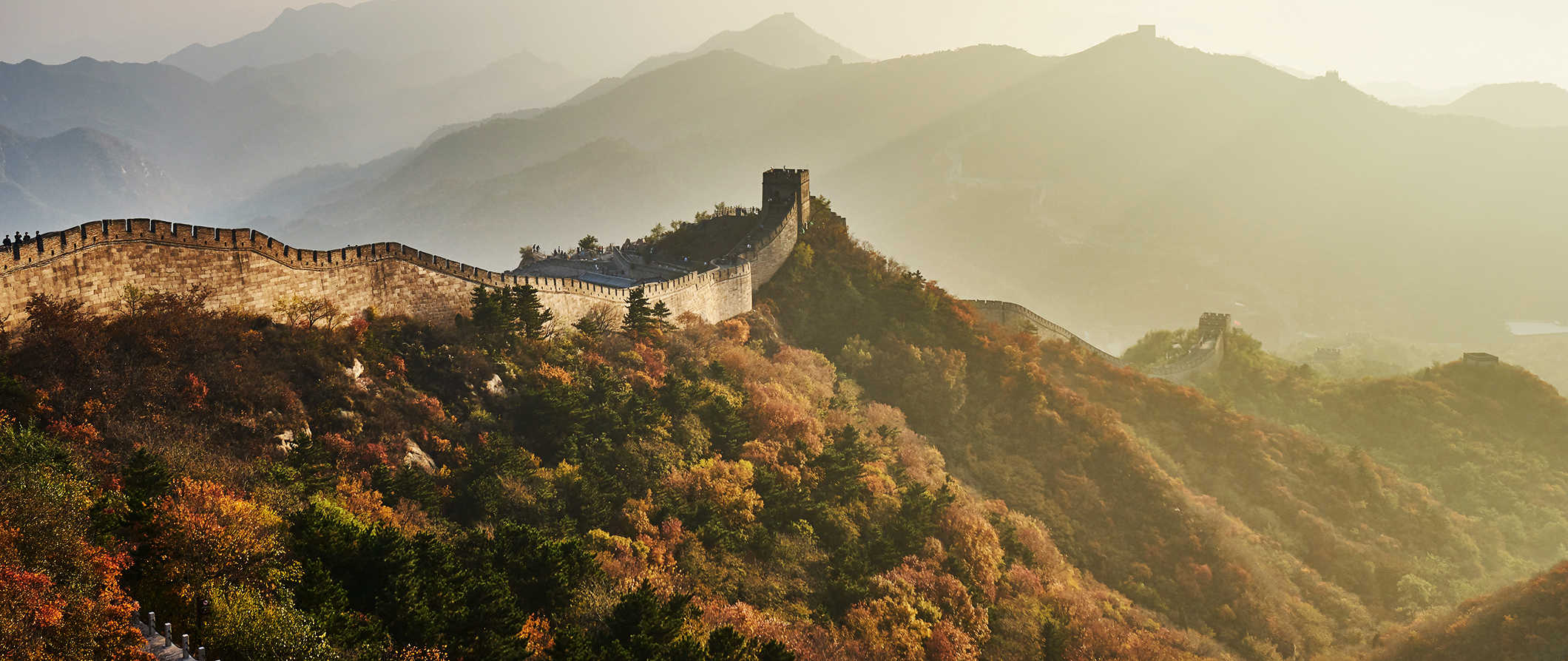
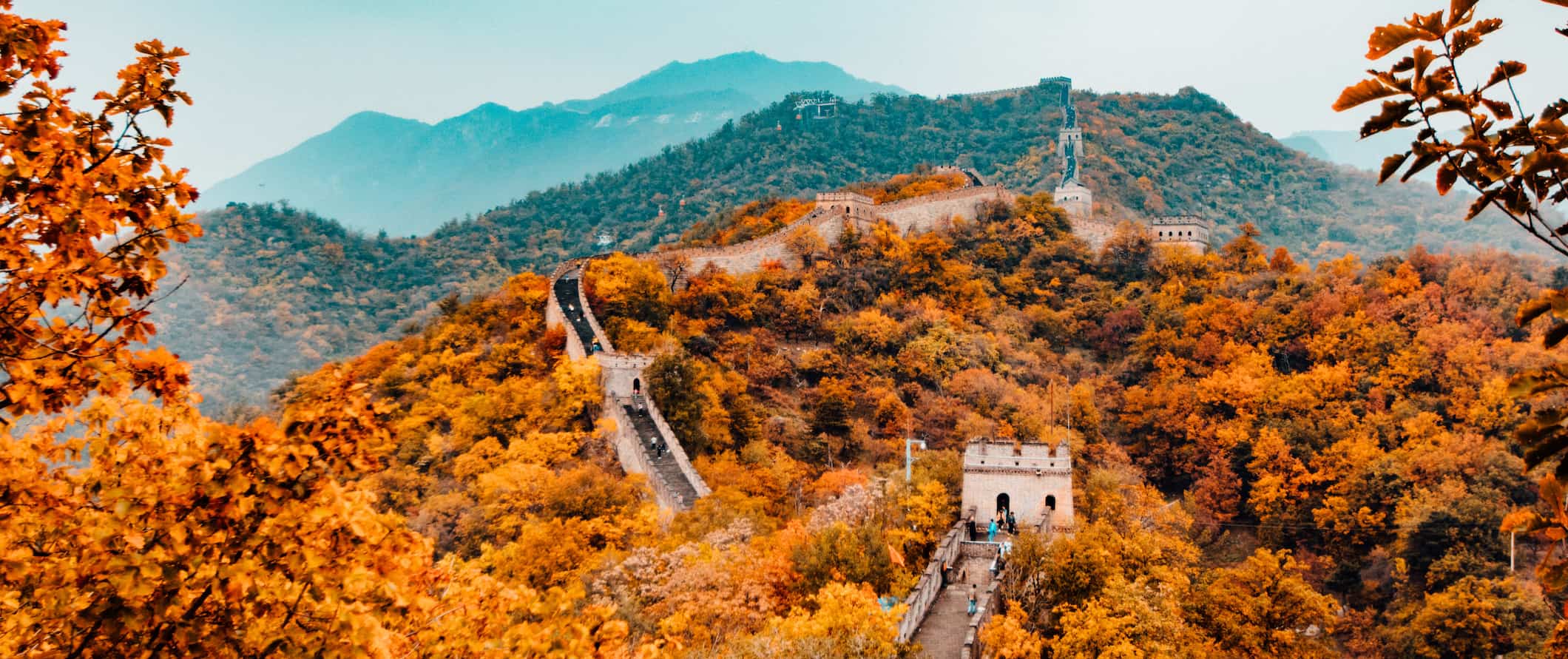
Stretching over 21,000 kilometers, the Great Wall offers both busy tourist sections as well as secluded ruins (you can even camp beside it in some areas). It was built over centuries to keep out invading Mongolian armies (it never did, though). There are plenty of sections to visit the wall but the most popular section is the one near Beijing as it’s only two hours from the city. You can take the public bus there or sign up for a guided tour.
5. See Xi’an
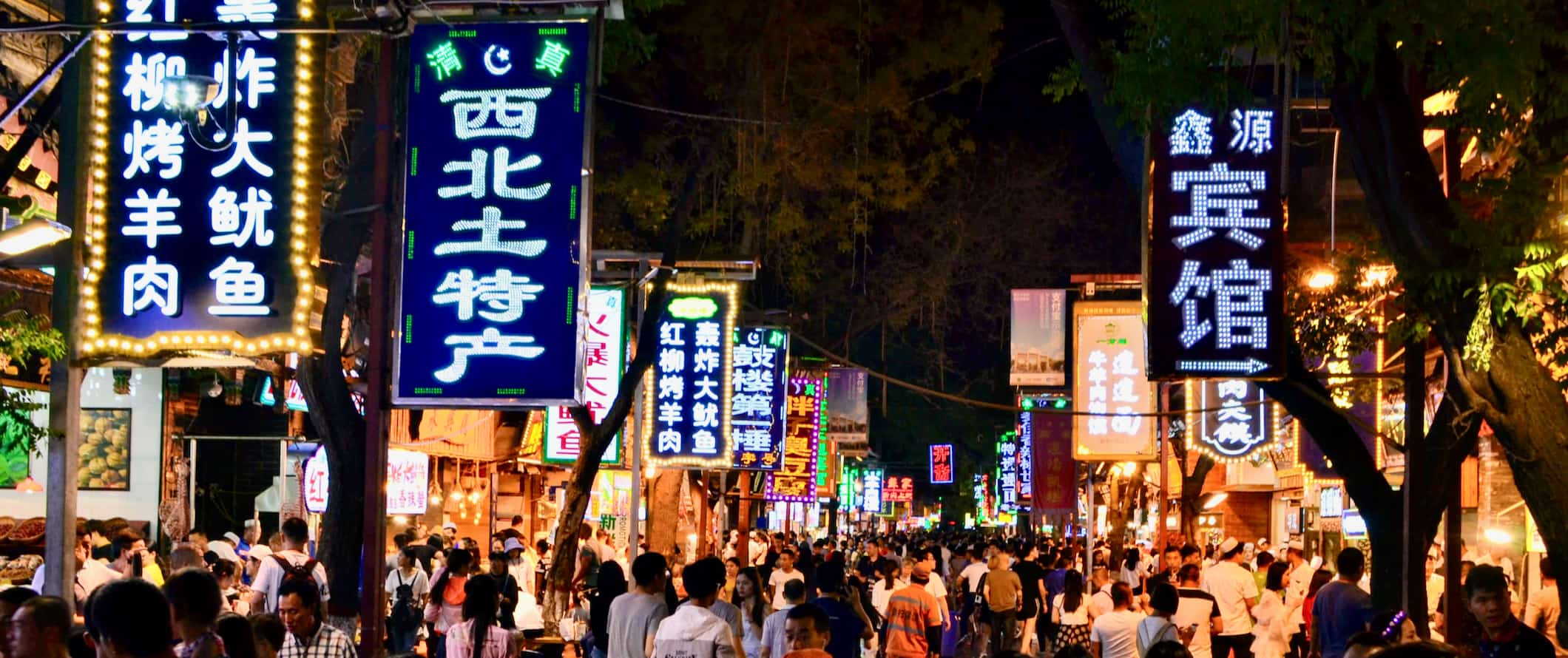
Xi’an is one of the ancient capitals of China and home to the famed Terracotta Army (which is over 2,000 years old). It is one of my favorite places in all of China. I love the cafes, the cute bars, the plethora of trees around, and the incredible food scene. Be sure to walk the city wall (or bike it!), visit all the ancient pagodas and temples in the Old City, and explore the architecture and cuisine of the Muslim quarters. There’s also an incredible hike on Mount Hua if you’re looking to get out of the city.
Other Things to See and Do in China
1. Explore Tian’anmen Square
You’ve no doubt seen it in films and on TV, but it is hard to get an idea of the sheer size of this square until you’re standing in the middle of it. There’s plenty to see here, including the Tiananmen Tower, the Great Hall of the People, the People’s Heroes Monument, the National Museum and Mao Zedong’s mausoleum. While you are allowed to take photos in the square itself, you cannot use your camera in the mausoleum.
2. Gorge on food
China is a foodie’s paradise. Eating here will certainly put your take-out back home into perspective. In such a huge country, it’s no surprise that different areas have different culinary delights. It’s entirely possible to enjoy the four styles of Chinese cooking (Cantonese, Beijing, Shanghai, and Sichuan) while on your trip. For spicy food, head to Sichuan or Hunan in Central China (be sure to try the hot pot while you’re there). You’ll find more salty items like dried meats and pickled vegetables in the north (where fresh produce is less common) while in cities like Beijing, Hong Kong, and Shanghai, you can pretty much find everything!
3. Cruise the Li River
For some natural beauty, cruise down the Li River. The river is 272 miles long and has dozens of places to explore along the way. Some of the best photography spots can be found in Xiaolong, Laozhai Hill, and the karst mountains near Guilin.
4. Visit the Forbidden City
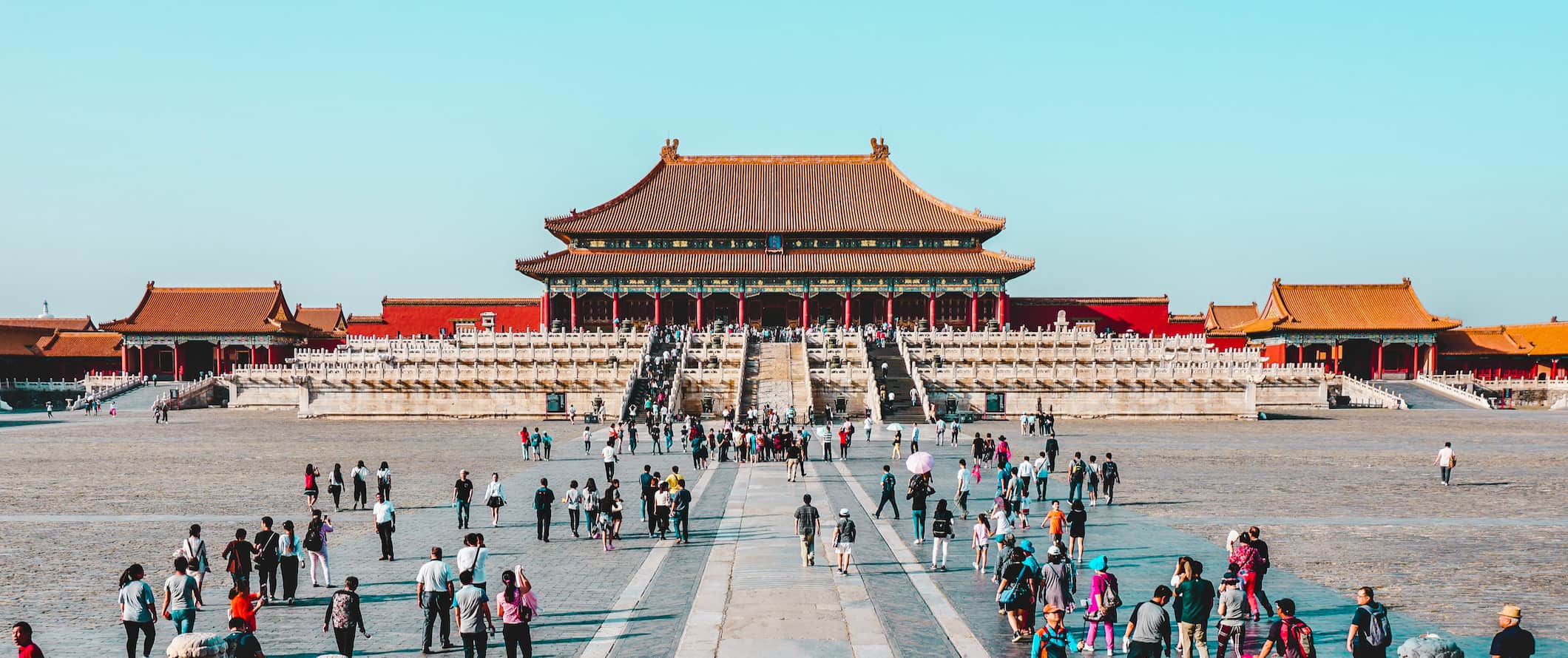
This famous attraction in Beijing was the imperial palace from the time of the Ming Dynasty to the Qing Dynasty (1420-1912 CE). The “city” covers over 175 acres and is a UNESCO World Heritage Site, welcoming over 16 million visitors each year. Today, the Palace Museum holds artifacts from both dynasties and is a great place to learn about China’s history. The buildings, which cover over 180 acres, have been heavily renovated over the years but it’s still an epic complex worth visiting.
5. Travel (part of) the Silk Road
Dating back over 2,000 years, this unofficial route is a must-see for visitors looking to get off the main tourist trail. There is no “official” road to follow, but you can trace your way along the traditional route as far and wide as you’d like (the Silk Road originally spanned from Chang’an to Rome, Italy). Its total length was over 3,800 kilometers (2,400 miles), half of which was within Chinese territory. Be sure to see the Mogao Caves in Dunhuang, the ancient city of Turpan, and the Rainbow Mountains near Zhangye.
6. Explore Tibet
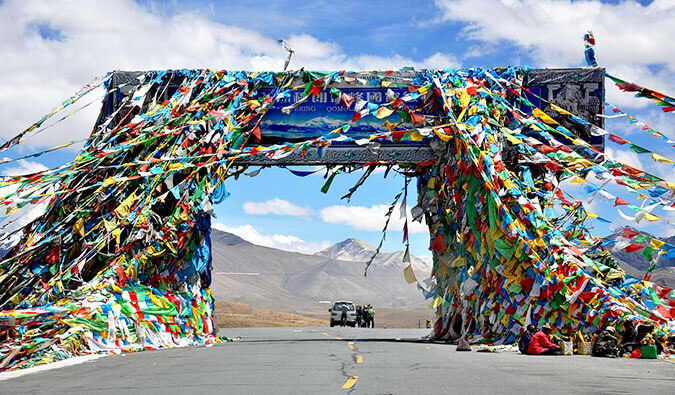
Also known as “the Roof of the World”, this area is perfect for adventurous travelers who are looking for unique attractions. Explore the snowy mountains, exotic customs, and Buddhism. Tibet has had a tumultuous past, so during your visit, it’s wise not to bring up the Dalai Lama. The region was annexed by China in the 1950s, forcing the Dalai Lama and his government into exile. Avoid talking about the history and politics of the region as it is understandably a very sensitive subject for both sides. You’ll need a special permit to visit the region as well.
7. Take in the Karst mountains
Illustrated on the back of the 20 yuan banknote, these mountains are a stunning sight to see in person. They’re huge! You can take a boat trip down the Li River and enjoy the breathtaking views of the mountains. You can also rent a bicycle to explore the quieter backroads and take in the picturesque landscape. Prices begin around 20 CNY for a half day. Guilin is a great hopping-off place for this.
8. The Mogao Grottos of Dunhuang
Also known as the Thousand Buddha Caves, these grottos are home to the largest, best-preserved, and richest Buddhist art in the world—the first cave was carved here in 366 AD. There are almost 500 individual temples here and it’s one of the main stops on the Silk Road if you are tracing the footsteps of Marco Polo.
9. Take a free walking tour
All of the major cities in the country offer various types of walking tours, many of which are free and last a few hours. If you want to learn about the history of China’s major cities, this is a great way to start! Whenever I land in a new city, this is how I kick off my trip, as it helps me get the lay of the land. Free walking tours are available in Beijing, Shanghai, Hong Kong, Xi’an, and many other cities around the country. Just Google “free walking tour in X” to find the companies that are available during your visit. Just be sure to tip your guide at the end (that’s how they get paid!).
10. Let loose in Macau
Macau is considered the “Las Vegas of Asia” and is a fun destination for anyone looking to splash out. Macau started as a Portuguese colony and remained one for over 300 years so the city has an interesting mix of Chinese and Portuguese cultures. Like Hong Kong, Macau is a “Special Administrative Region,” which means it has a lot of autonomy from the mainland government. It is also home to the highest bungee jump in the world, boasting a plunge of a whopping 233 meters (764 ft)! I don’t love the city as much as I do Hong Kong but you’ll find a lot of good food and architecture here. If you’re not here to gamble, you only really need one night here!
11. Visit the Pandas in Chengdu
Pandas are an endangered species and are rare to see in the wild. If you want to get your fix while in China, head to the Panda Research Base in Chengdu. If you get there early, you can beat the crowds and watch the pandas relax, eat, and sleep (that’s all they really do — but it’s still worth seeing!).
12. Take a class
Calligraphy classes, cooking classes, tea ceremonies — you can find all sorts of amazing, culturally-enriching classes and lessons in all of the major cities in China. Some last an hour, some last multiple days, but no matter what you’re interested in you can find a class to teach you something new! You’ll find the most options in Beijing, Shanghai, and Hong Kong. GetYourGuide, Klook, and Trip.com are the is three best resources for finding classes.
13. Experience the Harbin Ice and Snow Festival
If you’re visiting in winter, don’t miss the Harbin International Ice and Snow Sculpture Festival. It takes place every January in Harbin, China and is the largest ice and snow festival in the world, attracting some 20 million visitors each year. The festival lasts around 1 month (weather permitting) and attracts artists from all around the world to compete and showcase their works. There is a new theme every year, with over 200,000 cubic meters of snow and ice used for the festival.
14. Do the Huashan Plank Walk
You’ve probably seen this walk on social media: a set of narrow wooden planks bolted to a steep cliff high up in the mountains. As someone who hates heights, it looks absolutely terrifying! But adrenaline junkies flock to it every year, with many considering it the most dangerous walk in the world. Located around 120 kilometers east of Xi’an, this walk is super short (it’s only around 100 meters) but since it’s super narrow (and since everyone is generally pretty afraid) it does take some time to complete. And while you do have two safety cords attached to you, you’re still just standing on some wood attached to a cliff. So do this one at your own peril! That said, the panoramic views are unrivalled!
How to Stay Safe in China
China is quite safe for travelers. You are not going to get robbed, shot, kidnapped, or anything like that while you are here. China is a very strictly controlled country and that stuff just really doesn’t happen.
However, there are still a few things you’ll want to keep in mind during your visit.
For starters, watch what you eat. Sanitation standards are not exactly the most stringent here, so always use hand sanitizer before you eat and make sure you only go to restaurants that appear clean. Street food — while delicious — can also cause some upset so be prepared. You may need some time to adjust to the local cuisine upon arrival.
As a tourist, you’ll also likely get ripped off here and there. Expect to see inflated prices often, so be sure to ask your hostel/hotel staff for price estimates in advance if you need to go to a market. While commercial supermarkets and shops won’t be an issue, local markets and small stores might try to fleece you. Be firm and barter hard when you have to.
As for scams, they are unfortunately very common here. The most common is when someone claiming to be a student approaches you and asks to practice their English with you. You’ll head to a café, have some tea and food, and then you’ll be stuck with the bill. As a general rule, if folks ask you to practice English with them, politely decline. You can read about common travel scams here.
Traffic in China can also be a bit of a challenge. Pedestrians don’t have the right of way, so always look both ways before crossing. When in doubt, stick to the locals and follow their lead. They know what to do!
China cracks down on drug use very hard, dishing out hard labor and death penalties to anyone caught with large amounts of drugs. You may also get extorted by the police for a bribe if you’re caught with drugs, so it’s generally a good idea to avoid all drugs while you’re here.
When you’re here, avoid talking politics, especially when it comes to regions like Tibet and Hong Kong. Information about these regions is highly censored and political discussions are highly monitored online. Play it safe and avoid talking politics.
The most important piece of advice I can offer is to purchase good travel insurance. Travel insurance will protect you against illness, injury, theft, and cancellations. It’s comprehensive protection in case anything goes wrong. I never go on a trip without it as I’ve had to use it many times in the past. You can use the widget below to find the policy right for you:
Where to Stay in China
Hostels and budget guesthouses are common all across China. You won’t have a problem finding a cheap place to stay. Here are my recommended places to stay in the country:
- Kelly’s Courtyard (Beijing)
- Peking International Youth Hostel (Beijing)
- Poshpacker (Chengdu)
- Hong Kong Hostel (Hong Kong)
- Shanghai Hidden Garden Youth Hostel (Shanghai)
- Han Tang Inn Hostel (Xi’an)
China Travel Costs
Accommodation
- Hostel dorms – 70–110 CNY per night (145–225 CNY in major cities)
- Hostel private rooms – 180–325 CNY per night (350–600 CNY in major cities)
- Budget hotels – 150 CNY per night (300–500 CNY in major cities)
- Luxury hotels – 700–1,200+ CNY per night
- Campsite – 20 CNY per night
Food
- Street food – 7-15 CNY
- Sandwiches – 50 CNY
- Sit-down restaurants – 20-60 CNY per dish
- Western meals – 150 CNY
- Fast food – 30-45 CNY
- Beer – 10-20 CNY
- Glass of wine – 20-25 CNY
- Cappuccino/latte – 20-35 CNY
- Bottled water – 10-20 CNY
- Groceries for a week – It’s cheaper to eat out, so I wouldn’t recommend cooking.
China Suggested Budgets
Backpacker – 435 CNY Per Day
On this budget, you’ll stay in hostel dorms, travel around using public transportation, eat from street stalls or small restaurants, take a mix of high-speed trains, slow trains, and buses, and limit your alcohol. You’ll be on a tight budget but you’ll be able to manage.
Midrange – 725 CNY Per Day
On this budget, you can stay in mid-range hotels, take high-speed trains, taxis, drink more alcohol, eat out all your meals, take guided tours, and splurge on a few high-end meals or activities. You won’t be living large but you’ll be able to afford anything you want to do.
Upscale – 2,000+ CNY Per Day
On this budget, you can stay in nicer hotels, have more fancy meals, take high-speed trains everywhere, and just do whatever you want! China is really affordable so if you’re spending this much per day, you can do anything!
China Travel Guide: Money-Saving Tips
Given the size of China as well as its general affordability thanks to cheap food and accommodation, there are plenty of ways to save money when you visit here. Here are some of the best ways to save money during your next trip:
Use sleeper trains – Use sleeper trains (doorless compartments with bunks) to travel overnight since distances between cities can be quite large. Spending a night on the train will save you paying an extra night of accommodation. Lower bunks are less expensive, so purchase a few days in advance to take advantage of these savings. Some stations have ticket offices for foreigners if you need help navigating your options.
Ask for Xiao Pan – If eating alone, ask for “xiao pan”. These are small portions and work out at 70% of the size and price of a normal dish.
Hard Seats – Travel on the “hard seats” on trains or buses. These are the cheapest and most basic seats but are not “hard” as the name would lead you to believe (they’re just regular seats).
Take a walking tour – Free walking tours are available in most Chinese cities. They generally last a couple of hours and are a great way to get the lay of the land and learn some of the local history.
Avoid Golden Week – Golden Week is the busiest holiday of the year and is a time when the entire country is off. Held at the start of October, prices will rise, transportation is booked out weeks in advance, and the large cities are essentially gridlocked. Avoid visiting during this time. (Or, at the very least, avoid the big cities!)
Stick to public transportation – You can get pretty much anywhere in all the major cities by bus or subway — and it’s super affordable. Do as the locals do if you want to save money.
Bring a Filtered Water Bottle – Instead of buying bottled water every day (as the tap water is not potable), bring a reusable water bottle. You’ll save money and prevent more single-use plastic from ending up in a landfill. My favorite brand is LifeStraw.
How to Get Around in China
Public Transportation – Buses are the most popular way to travel and usually cost between 2-3 CNY within a city. Major cities also have extensive underground systems that are less than 6 CNY per ride. The Airport Express line in Beijing costs 25 CNY.
While most cities in China are great to discover on foot, the pollution can be quite hard on the body for extended periods. Be sure to check the air quality every morning before heading out. If it’s really bad, consider wearing a mask.
Bus – Buses are generally cheaper than trains when it comes to intercity travel so they are your best bet for short distances (anything under 8–10 hours). For example, the nine-hour bus from Beijing to Anshan is around 205 CNY, while the train can be as much as 400 CNY. The two-hour bus from Beijing to Tianjin is around 40 CNY while the high-speed train is closer to 90 CNY. To find bus routes and prices, use BusBud.
Train – For long-distance travel around the country, trains are an affordable and often unique choice.
The G train from Beijing to Shanghai takes 4.5–5.5 hours and is around 550–650 CNY for second class, 915–1,000 CNY for first class, and 1,850–2,300 CNY for a VIP seat. By comparison, the non-high-speed train takes a whopping 19 hours but costs just 175 CNY for a hard seat or standing ticket, 305 CNY for a hard sleeper, and 470 CNY for a soft sleeper. D and T trains are your middle-of-the-road option, taking (only) 12-14 hours and costing between 300–550 CNY.
Another example is the Shanghai to Xi’an route. The fastest G train takes just 5.5 hours and costs about 710 CNY for a second-class seat. K trains take 21.5 hours and tickets for a hard sleeper are around 400 CNY.
For overnight trains, keep in mind that the lower bunk is usually cheaper as it is closer to the noise. Top bunks will be more expensive, though they occasionally have very little space to offer (even though you pay more); it is not uncommon to be unable to sit all the way up. But you do get more privacy, which is worth it in my opinion!
Flying – There are plenty of regional carriers in China when it comes to flights. Some of the larger ones are Air China, China Eastern, China Southern, and Southwest Airlines.
Round-trip flights from Beijing to Shanghai can cost as little as 600 CNY for the two-hour journey (one-way). One-way from Beijing to Hong Kong will cost at least 650 CNY and take just under four hours. Xi’an to Shanghai will cost at least 500 CNY and take just over two hours. Beijing to Taipei will cost around 1,000 CNY and take just over three hours (again, just one-way).
Car Rental – China does not recognize the International Driving Permit, making it virtually impossible to rent a car here unless you apply for a Chinese license. I don’t advise renting a car here.
Hitchhiking – Hitchhiking in China isn’t very common so you’ll need to do some preparation before you head out. Using a thumb won’t work as that isn’t a widely-understood gesture for hitchhiking in China. Having a sign (written in Mandarin) that says “hitchhiking” is your best bet to secure a ride as you’ll get lots of taxis trying to pick you up if you’re standing on the side of the road.
When to Go to China
Since China is such a large country, the climate and temperature change drastically from region to region. Sub-tropical Hong Kong is going to have much different weather than the steppes of Inner Mongolia or the mountain ranges of Tibet and Western China.
Summer in China (June-August) is the peak time to visit, though it is also the hottest time. Temperatures will soar into the 30s (87-92 F) and can get quite humid. The pollution and air quality can also be ongoing concerns during this time. Expect inflated prices and larger crowds during these months.
September-October is a great time to visit China, as long as you can dodge the hectic Golden Week holiday in early October. The weather will cool to just under 20C (68 F), which is much more pleasant for hiking and exploring.
Traveling to China in the winter is rare, unless you’re heading to Hong Kong, where the weather is still pleasant at 20C (68 F). Places like the Great Wall are occasionally closed due to weather, and regions like Tibet can drop to -13 C (9F) overnight.
China Travel Guide: The Best Booking Resources
These are my favorite companies to use when I travel. They consistently have the best deals, offer world-class customer service and great value, and overall, are better than their competitors. They are the companies I use the most and are always the starting point in my search for travel deals.
- Skyscanner – Skyscanner is my favorite flight search engine. They search small websites and budget airlines that larger search sites tend to miss. They are hands down the number one place to start.
- Hostelworld – This is the best hostel accommodation site out there with the largest inventory, best search interface, and widest availability.
- Booking.com – The best all around booking site that constantly provides the cheapest and lowest rates. They have the widest selection of budget accommodation. In all my tests, they’ve always had the cheapest rates out of all the booking websites.
- Get Your Guide – Get Your Guide is a huge online marketplace for tours and excursions. They have tons of tour options available in cities all around the world, including everything from cooking classes, walking tours, street art lessons, and more!
- SafetyWing – Safety Wing offers convenient and affordable plans tailored to digital nomads and long-term travelers. They have cheap monthly plans, great customer service, and an easy-to-use claims process that makes it perfect for those on the road.
- LifeStraw – My go-to company for reusable water bottles with built-in filters so you can ensure your drinking water is always clean and safe.
- Unbound Merino – They make lightweight, durable, easy-to-clean travel clothing.
- Top Travel Credit Cards – Points are the best way to cut down travel expenses. Here’s my favorite point earning credit cards so you can get free travel!
China Travel Guide: Related Articles
Want more tips for your trip? Check out all the articles I’ve written on China travel and continue planning your trip: